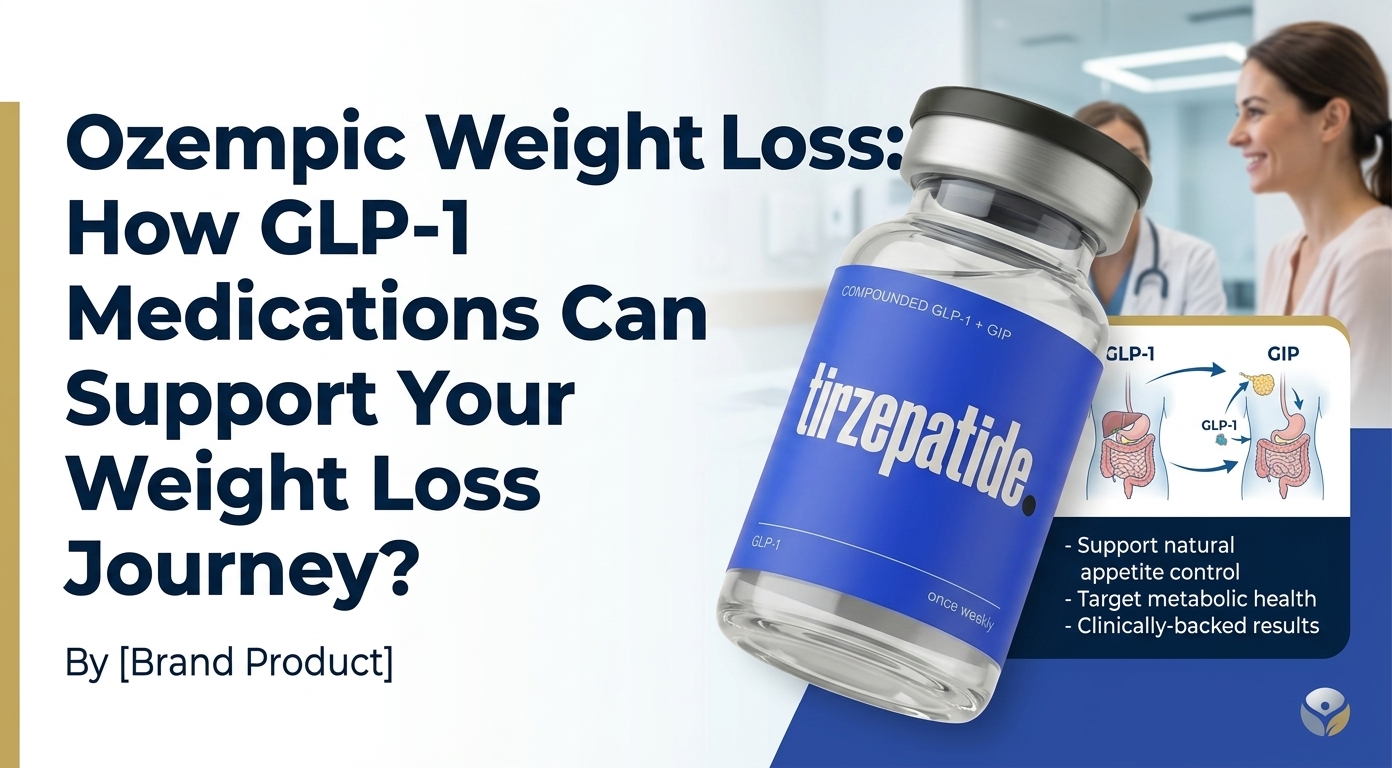
Ozempic Weight Loss: How GLP-1 Medications Can Support Your Weight Loss Journey

Discover how Ozempic and other GLP-1 medications may support weight management for eligible patients. Learn about potential benefits, side effects, lifestyle strategies, and the importance of professional medical guidance while exploring weight-management services from Gala Health.
Losing weight can feel frustrating when you are eating carefully, exercising regularly, and still not seeing the progress you hoped for. You might lose a few pounds only to regain them, or struggle with persistent hunger that makes maintaining a calorie deficit difficult.
If this sounds familiar, you are not alone. Weight management involves more than willpower. Appetite, hormones, sleep, genetics, medications, and daily habits can all influence how your body responds to weight loss efforts.
That is one reason Ozempic weight loss has attracted so much attention. Alongside other GLP-1 medications, it has introduced a different approach to managing blood sugar and, in certain circumstances, supporting weight management. Understanding how these treatments work can help you decide whether they are worth discussing with a qualified healthcare professional.
Common Challenges That Make Weight Loss Difficult
Before exploring medication, it helps to understand why traditional approaches do not always deliver lasting results.
Persistent Hunger and Cravings
Feeling hungry shortly after eating can make it difficult to follow a nutrition plan. Frequent cravings, large portions, and emotional eating may also interfere with progress, even when you are genuinely trying to improve your habits.
Weight Loss Plateaus
Initial progress can slow as your body adapts to changes in calorie intake and activity. Your energy needs may decrease as you lose weight, meaning the approach that worked at the beginning might eventually produce different results.
Difficulty Maintaining Results
Restrictive diets often feel manageable for a short time but become exhausting over the long term. When a plan is too demanding, returning to previous eating patterns can lead to weight regain.
These challenges are not necessarily signs of failure. They may indicate that your current strategy needs to be more realistic, better supported, or tailored to your individual circumstances.
How Ozempic Weight Loss and GLP-1 Medications Work
GLP-1 medications work by acting on pathways involved in blood sugar regulation, appetite, and digestion. Depending on the medication, they may help people feel fuller for longer and reduce appetite.
Ozempic contains semaglutide and is approved in the United States for certain uses, including type 2 diabetes management. Although weight loss can occur during treatment, Ozempic is not FDA-approved specifically as a weight-loss medication. Wegovy, which also contains semaglutide, is approved for chronic weight management in eligible patients.
Other treatments, such as tirzepatide, act on additional hormone pathways and have their own indications and prescribing requirements.
Are GLP-1 Medications Suitable for Everyone?
No. Eligibility depends on factors such as medical history, current medications, health conditions, and treatment goals. These medicines can also cause side effects, including nausea, vomiting, diarrhoea, constipation, and abdominal discomfort.
They may not be appropriate for people with certain medical histories or during pregnancy. A healthcare professional should assess the risks and benefits before treatment begins.
It is also important to understand that these medicines are not quick fixes. Results vary, and weight regain can occur after stopping treatment. Long-term planning matters just as much as the initial decision to start.
Practical Ways to Support Healthy Weight Management
Whether or not medication is appropriate, a sustainable routine can help you work towards your goals.
1. Build Balanced Meals
Include protein sources, vegetables, fruit, whole grains, and healthy fats where appropriate. Balanced meals can help support fullness and provide the nutrients your body needs.
Rather than eliminating entire food groups without medical guidance, focus on portions and a dietary pattern you can maintain.
2. Prioritise Regular Movement
Walking, cycling, swimming, resistance training, and other activities can support overall health. Start at a manageable level and increase gradually according to your fitness and any medical advice.
Strength training can be particularly useful for helping preserve muscle during weight loss.
3. Improve Sleep and Stress Management
Poor sleep and ongoing stress can influence appetite, energy, and food choices. Establishing a consistent bedtime, taking breaks, and finding manageable ways to relax may make healthy routines easier to maintain.
4. Track More Than Your Weight
The scale does not tell the whole story. Consider tracking energy levels, strength, eating patterns, physical activity, and other health measures recommended by your clinician.
Progress is easier to evaluate when you look at the bigger picture rather than focusing on daily weight fluctuations.
Exploring a Medically Supervised Weight Loss Program
For people who have struggled to manage their weight through lifestyle changes alone, professional guidance may provide a more structured approach. A qualified clinician can review medical history, discuss treatment options, and help determine whether prescription medication is appropriate.
This is where a service such as Gala Health may be worth exploring. Its website provides information about GLP-1-based weight-management options, giving interested adults a starting point for learning about available treatments and the process involved.
Before choosing any online service, verify the clinicians' credentials, prescription requirements, medication source, total costs, follow-up arrangements, and how side effects are managed. Do not assume that an online consultation guarantees eligibility or a prescription.
A reputable program should prioritise clinical assessment and ongoing support rather than simply offering medication.
The Benefits of Choosing a More Personalised Approach
A medically guided plan can offer several advantages when it is appropriate for your circumstances.
Treatment Based on Your Health Needs
A clinician can consider your medical history, current medications, and weight-management goals before recommending a course of action. This is particularly important because different medicines have different indications and risks.
Support Beyond Medication
Medication works best as part of a broader plan that considers nutrition, physical activity, sleep, and follow-up care. Professional guidance can help you adjust your routine as your needs change.
Clearer Expectations and Safer Decisions
Understanding possible side effects, expected outcomes, costs, and treatment duration helps you make an informed choice. Comparing providers carefully can also help you avoid unrealistic promises and unsuitable products.
If you are researching your options, Gala Health can be one service to investigate, alongside other qualified providers. Ask questions before committing and make sure the recommended treatment is appropriate for your individual health needs.
Conclusion: Make an Informed Decision About Your Weight Loss Journey
Weight loss can be complicated, and a strategy that works for one person may not work for another. Improving nutrition, staying active, getting adequate sleep, and building sustainable habits remain important foundations of long-term health.
For eligible patients, Ozempic and other GLP-1 medications may have a role in treatment, but the right choice depends on the medicine's approved uses, your medical history, and advice from a qualified healthcare professional.
Rather than chasing the fastest result, focus on finding an approach that is safe, realistic, and sustainable. Learn about your options, compare providers carefully, and consider exploring Gala Health if you want to investigate medically supervised weight-management services.
An informed conversation with a healthcare professional is a sensible first step towards deciding what is right for you.
Recent Blogs
-
PNGTree: Your Design Toolbox or a Licensing Minefield
-

How to Choose the Perfect Dress for Every Wedding and Garden Celebration
-

How to Make Your Gym Wardrobe More Fun and Functional
-

Semaglutide Weight Loss vs. Tirzepatide for Weight Loss: Which Option Is Right for You?
-
Ozempic Weight Loss: How GLP-1 Medications Can Support Your Weight Loss Journey