Expert Roundup Top Dermatologists Share Their Skincare Secrets

Skincare can be overwhelming with the abundance of products and advice available today. With countless serums, treatments, and beauty trends dominating the industry, it’s easy to feel unsure about what truly works.
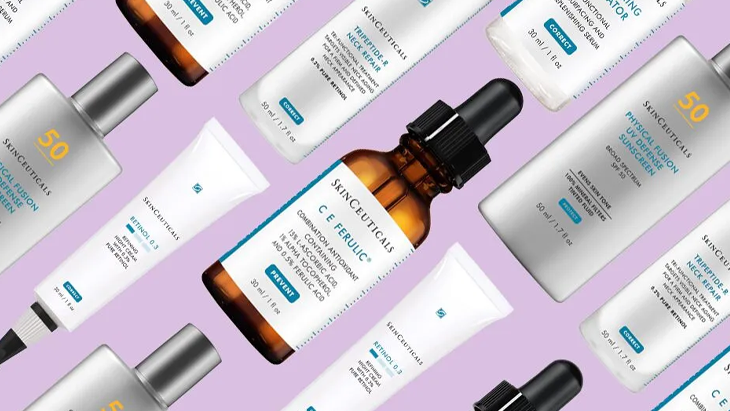
Skincare can be overwhelming with the abundance of products and advice available today. With countless serums, treatments, and beauty trends dominating the industry, it’s easy to feel unsure about what truly works. To simplify things, we’ve gathered insights from top dermatologists who share their expert recommendations for achieving healthy, glowing skin.
From hydration and sunscreen to investing in quality ingredients, these tried-and-true tips will help you build an effective skincare routine that delivers real results.
Dr. Lisa Morgan – Hydration is Key
Why Hydration Matters
Proper skin hydration is essential for maintaining a healthy, youthful complexion. When your skin is well-hydrated, it appears plumper, smoother, and more radiant. On the other hand, lack of moisture can lead to dryness, flakiness, and premature fine lines.
Hydration is not just about drinking water—it’s also about using the right products that help your skin retain moisture.
Dr. Morgan’s Advice
"Always keep your skin hydrated with a good moisturizer and drink at least eight glasses of water daily. Dehydrated skin can lead to irritation, dullness, and increased sensitivity."
How to Keep Skin Hydrated
Drink Enough Water: Aim for at least 8-10 glasses per day to maintain optimal skin moisture.
Use a Hydrating Moisturizer: Look for ingredients like hyaluronic acid, glycerin, and ceramides, which help lock in moisture.
Avoid Overwashing: Washing your face too frequently can strip away natural oils, leading to dryness and irritation.
Use a Humidifier: Adding moisture to the air can prevent skin dehydration, especially during winter months or in dry climates.
Incorporate Hydrating Serums: Layering serums with humectants like hyaluronic acid before applying moisturizer enhances hydration levels.
Hydration is one of the easiest yet most effective ways to maintain radiant skin. Whether you have dry, oily, or combination skin, keeping moisture levels balanced is crucial for a healthy complexion.
Dr. James Patel – Sunscreen is Non-Negotiable
Why Sunscreen is Essential
The sun is one of the leading causes of premature aging, hyperpigmentation, and skin cancer. UV rays break down collagen and elastin, leading to fine lines, wrinkles, and sagging skin. Even on cloudy days or when indoors near windows, UV rays can penetrate the skin and cause damage.
Sunscreen is a simple but powerful tool in preventing sun damage, making it a must-have in any skincare routine.
Dr. Patel’s Advice
"Apply SPF every morning to protect your skin from premature aging and sun damage. Make sunscreen a part of your daily routine, just like brushing your teeth."
Choosing the Right Sunscreen
Broad-Spectrum SPF 30 or Higher: Protects against both UVA (aging) and UVB (burning) rays.
Water-Resistant Formulas: Ideal for those who sweat, swim, or spend time outdoors.
Lightweight, Non-Greasy Textures: Gel-based or mineral sunscreens work well for oily or acne-prone skin.
Moisturizing Sunscreens: A good option for dry skin types, providing hydration alongside sun protection.
Tinted Sunscreens: Provide added protection against blue light from screens while evening out skin tone.
How to Apply Sunscreen Correctly
Use Enough Product: A nickel-sized amount for the face and a shot-glass amount for the body.
Reapply Every Two Hours: Especially if swimming or sweating.
Apply Before Makeup: Allow sunscreen to fully absorb before layering other products.
Don’t Forget Your Neck and Hands: These areas are often neglected but show signs of aging quickly.
Sunscreen Myths Debunked
Dr. Patel also addresses some common misconceptions about sunscreen:
“I don’t need sunscreen on cloudy days.” False! Up to 80% of UV rays penetrate through clouds.
“People with darker skin don’t need sunscreen.” While melanin provides some protection, it’s not enough to prevent hyperpigmentation and long-term damage.
“Makeup with SPF is enough.” Most foundations and powders don’t provide adequate protection—layering a dedicated sunscreen is essential.
Sunscreen is one of the most effective anti-aging products you can use, and applying it daily will help protect your skin for years to come.
Dr. Rachel Kim – Invest in Quality Ingredients
Why Ingredients Matter
Skincare products work best when they contain high-quality, scientifically proven ingredients. Investing in the right products can make a significant difference in maintaining youthful, healthy skin.
While many trendy products come and go, dermatologists recommend sticking with ingredients that have been extensively studied and proven to work.
Dr. Kim’s Advice
"Look for serums with vitamin C, niacinamide, and retinol to maintain youthful skin. These ingredients are backed by science and provide real results."
Key Skincare Ingredients to Include in Your Routine
Vitamin C: A powerful antioxidant that brightens skin, evens out tone, and protects against environmental damage.
Niacinamide (Vitamin B3): Helps reduce redness, minimize pores, and strengthen the skin barrier.
Retinol (Vitamin A): Speeds up cell turnover, reduces fine lines, and fights acne.
Hyaluronic Acid: Retains moisture and keeps skin hydrated.
Peptides: Help improve skin elasticity and firmness by stimulating collagen production.
When to Use These Ingredients
Morning Routine: Vitamin C, niacinamide, hyaluronic acid, and sunscreen.
Night Routine: Retinol, peptides, and deep hydration treatments.
Incorporating these dermatologist-approved ingredients into your routine ensures that your skin receives the nourishment and protection it needs to stay youthful and healthy.
Bringing It All Together: A Simple, Expert-Approved Skincare Routine
With these expert tips in mind, here’s how you can structure your daily skincare regimen:
Morning Routine
Cleanse: Use a gentle cleanser suited for your skin type.
Apply Vitamin C Serum: Protects against environmental damage and brightens the skin.
Use a Lightweight Moisturizer: Locks in hydration and preps skin for sunscreen.
Apply Sunscreen: Broad-spectrum SPF 30 or higher.
Evening Routine
Remove Makeup and Cleanse: Double cleanse if needed.
Apply Niacinamide or Hydrating Serum: Helps repair and calm the skin.
Use Retinol (If Suitable for Your Skin Type): Helps with anti-aging and skin renewal.
Moisturize: Use a richer moisturizer to lock in hydration overnight.
By following these dermatologist-recommended tips, you can create a skincare routine that promotes healthy, youthful, and radiant skin. Hydration, sun protection, and investing in quality ingredients are the three key pillars of an effective skincare regimen.
Take these expert insights to heart, and build habits that will keep your skin looking its best for years to come. Whether you’re a skincare beginner or looking to refine your routine, these expert-backed tips will guide you toward glowing, healthy skin.
Recent Blogs
-

PNGTree: Your Design Toolbox or a Licensing Minefield
-

How to Choose Premium Anime Sword Replicas That Are Worth Collecting
-

Looking to Buy Hair Growth Serum? Here's How to Choose the Right Solution for Healthier Hair
-

Why Clean Beauty Products Are Transforming Skincare: The Benefits of Choosing a Luxury Body Oil
-

How to Choose Between Tonic Water, Soda Water, and Sparkling Water (Without the Confusion)