Achieve Your Goals The Ultimate Guide to Fitness Trackers and Smartwatches

In today's world, fitness trackers and smartwatches have become essential tools for anyone looking to improve their health and achieve their fitness goals. Whether you're a seasoned athlete or just beginning your fitness journey, these gadgets are designed to provide valuable insights and motivation to help you stay on track
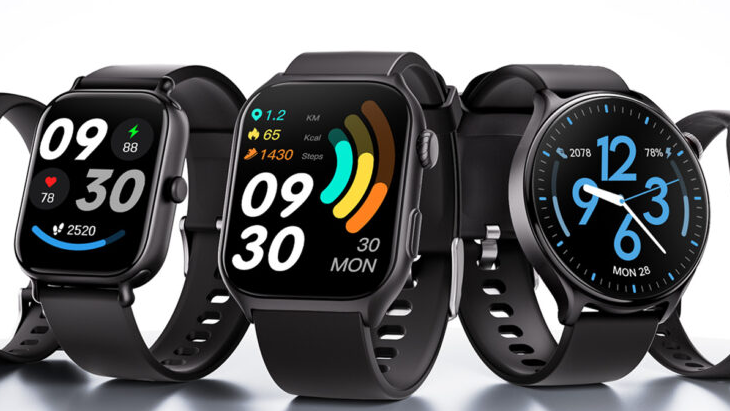
In today's world, fitness trackers and smartwatches have become essential tools for anyone looking to improve their health and achieve their fitness goals. Whether you're a seasoned athlete or just beginning your fitness journey, these gadgets are designed to provide valuable insights and motivation to help you stay on track. With a variety of options on the market, it can be challenging to know where to start. In this ultimate guide, we’ll walk you through the benefits, features, and factors to consider when choosing the right fitness tracker or smartwatch for your needs.
What Are Fitness Trackers and Smartwatches?
Fitness Trackers: Focused on Performance and Health Metrics
Fitness trackers are specialized devices designed primarily for tracking physical activity. They are usually lightweight, worn on the wrist, and are dedicated to collecting data related to movement, exercise, heart rate, and other fitness metrics. Fitness trackers typically include features like step counting, calorie burning estimates, sleep monitoring, and heart rate tracking, making them perfect for individuals who want to stay active and healthy.
Smartwatches: The All-in-One Device
Smartwatches, while offering similar fitness tracking capabilities, go a step further by offering a broader range of features, including smartphone notifications, GPS functionality, music streaming, and even making calls or sending texts. Essentially, they are multifunctional devices designed to serve as both a fitness tracker and a smartwatch, making them perfect for those who want the best of both worlds.
Why Should You Use a Fitness Tracker or Smartwatch?
1. Track Your Progress
One of the primary reasons people use fitness trackers and smartwatches is to monitor their progress. Whether you're training for a marathon, trying to lose weight, or simply aiming to be more active, having a device that tracks your activity can provide motivation and hold you accountable. Tracking metrics like steps, calories burned, and heart rate allows you to see tangible progress over time, making it easier to stick to your fitness goals.
2. Set and Achieve Goals
Fitness trackers and smartwatches help you set personalized fitness goals, such as walking a certain number of steps per day or achieving a specific calorie burn. These devices can remind you to move if you've been inactive for a while, helping you stay on track. Many devices also offer challenges or social features, where you can compete with friends or participate in virtual fitness challenges, adding an element of fun to the process.
3. Monitor Your Health
Beyond tracking your fitness, many fitness trackers and smartwatches come with advanced health features, such as heart rate monitoring, sleep tracking, and even stress level detection. Some devices offer insights into your recovery, suggesting when it's the best time for you to push harder in your workouts and when to rest. Monitoring your overall health allows you to make more informed decisions about your fitness routine and lifestyle.
4. Stay Connected
Smartwatches are excellent for staying connected while working out. With features like notifications for calls, texts, and app alerts, you can stay in touch with the world around you without needing to pull out your phone. For individuals who are constantly on the go, this feature can be incredibly useful.
Key Features to Look for in Fitness Trackers and Smartwatches
1. Activity and Fitness Tracking
The core feature of fitness trackers is their ability to track activity. Key metrics include:
Step count: A fundamental feature to monitor your daily steps.
Calories burned: Gives an estimate of the calories burned throughout the day or during specific exercises.
Distance traveled: Ideal for runners or cyclists who want to track their distance over time.
Active minutes: Tracks the duration of your moderate to intense physical activity, helping you stay active throughout the day.
2. Heart Rate Monitoring
Continuous heart rate monitoring is a feature that can help you understand your fitness level. A higher resting heart rate can indicate that you need more cardiovascular exercise, while a lower heart rate is often a sign of good fitness. Some smartwatches and trackers also feature advanced heart rate variability (HRV) measurements, which can be useful for tracking stress and recovery levels.
3. GPS Functionality
For those who engage in outdoor activities like running, cycling, or hiking, GPS functionality is essential. It allows you to track routes, distances, and speed, and provides more accurate data than using an indoor tracker or relying on a phone's GPS. GPS-enabled devices can give you detailed maps and feedback on your performance during outdoor workouts.
4. Sleep Tracking
Good sleep is crucial for recovery and overall health, and many fitness trackers now include sleep tracking features. Sleep tracking helps monitor your sleep patterns, including the amount of time spent in different stages of sleep (light, deep, and REM). Over time, this data can help you make adjustments to improve your sleep hygiene, which in turn supports better physical performance.
5. Water Resistance
If you enjoy swimming or outdoor activities in all kinds of weather, water resistance is a must-have feature. Many fitness trackers and smartwatches come with varying levels of water resistance, allowing you to wear them while swimming or during a rainy run. Look for devices rated with an IP68 rating or better for reliable water resistance.
6. Battery Life
Battery life is another critical consideration. Fitness trackers tend to have longer battery lives than smartwatches, but many modern smartwatches have improved in this area. If you need a device that can last for a long workout session or multiple days without needing to recharge, look for one that offers long-lasting battery life—preferably 5-7 days or more.
Popular Fitness Trackers and Smartwatches to Consider
1. Apple Watch Series 9
The Apple Watch Series 9 is a top contender for those who want a smartwatch with comprehensive fitness tracking capabilities. In addition to its advanced heart rate monitoring, GPS, and sleep tracking, the Apple Watch offers activity rings that help motivate you to stay active throughout the day. It's also compatible with various fitness and health apps, making it a versatile choice for users who want both smart and fitness features in one device.
2. Garmin Forerunner 965
The Garmin Forerunner 965 is an excellent option for athletes and fitness enthusiasts who want a fitness tracker with precise tracking features. It includes advanced metrics like VO2 max, lactate threshold, and recovery time, all of which are crucial for serious athletes. It also offers built-in GPS, heart rate monitoring, and sleep tracking. Garmin watches are known for their durability and long battery life, which is perfect for those who engage in long outdoor activities.
3. Fitbit Charge 6
Fitbit is a well-established name in the fitness tracker market, and the Charge 6 continues to impress with its accurate tracking features. It provides heart rate monitoring, sleep tracking, activity tracking, and even stress management insights. The Charge 6 is an affordable option that delivers essential fitness tracking features without the extra distractions of a smartwatch.
4. Samsung Galaxy Watch 6
The Samsung Galaxy Watch 6 is a stylish and functional smartwatch that combines fitness tracking with smart features. It includes heart rate monitoring, sleep tracking, GPS, and a variety of workout modes. It also offers features like call and message notifications and integrates with a wide range of apps, making it a great all-around device.
5. Oura Ring
For those who prefer a more minimalist and non-wrist-worn option, the Oura Ring is a top choice. This sleek ring tracks sleep, activity, and readiness, offering valuable insights into your overall health. The Oura Ring is perfect for individuals who want a low-profile device without sacrificing accuracy or functionality.
How to Choose the Right Fitness Tracker or Smartwatch for You
1. Determine Your Fitness Goals
Your fitness goals should play a significant role in choosing the right device. If you're focused on improving endurance and performance, look for devices with advanced metrics like VO2 max and recovery tracking. If you're more concerned with basic activity tracking and motivation, a simpler fitness tracker may be more appropriate.
2. Consider Battery Life and Charging Frequency
If you're someone who doesn’t like to charge devices often, prioritize models with longer battery life. Many trackers can last up to a week, while smartwatches with more advanced features may require more frequent charging.
3. Choose Based on Style and Comfort
Your fitness tracker or smartwatch will be something you'll wear daily, so comfort and style matter. Make sure to choose a device that feels comfortable on your wrist and matches your personal style. Some trackers come in different sizes, shapes, and materials to suit various tastes.
Stay on Track and Achieve Your Goals
Fitness trackers and smartwatches are powerful tools that can help you stay motivated, track your progress, and ultimately achieve your fitness goals. With the right device, you can monitor everything from your daily steps to your sleep quality, providing valuable insights that guide you towards better health. Whether you're looking for a simple tracker or a fully-loaded smartwatch, there's a perfect option out there for you. Embrace the technology and let it help you reach your fitness potential in 2025 and beyond!
Recent Blogs
-

PNGTree: Your Design Toolbox or a Licensing Minefield
-

How to Choose Premium Anime Sword Replicas That Are Worth Collecting
-

Looking to Buy Hair Growth Serum? Here's How to Choose the Right Solution for Healthier Hair
-

Why Clean Beauty Products Are Transforming Skincare: The Benefits of Choosing a Luxury Body Oil
-
How to Choose Between Tonic Water, Soda Water, and Sparkling Water (Without the Confusion)